
Signs Your Property Needs Immediate Jacksonville Electrical Repair
To find reliable Jacksonville electrical repair fast, verify that your prospective contractor holds an active Florida state electrical license, carries comprehensive general liability and workers’ compensation insurance, offers upfront transparent pricing, and provides 24/7 emergency dispatch for urgent hazards. Checking these essential credentials ensures prompt, code-compliant troubleshooting before dangerous electrical issues worsen.
Electrical issues rarely appear out of nowhere without giving subtle warning signals first. Identifying these hazards early protects both property value and human lives. In Northeast Florida, where severe coastal weather and high humidity place extra strain on electrical systems, ignoring warning signs can quickly lead to dangerous conditions.
If you notice any of the following symptoms in your home or facility, you should arrange for prompt professional intervention:
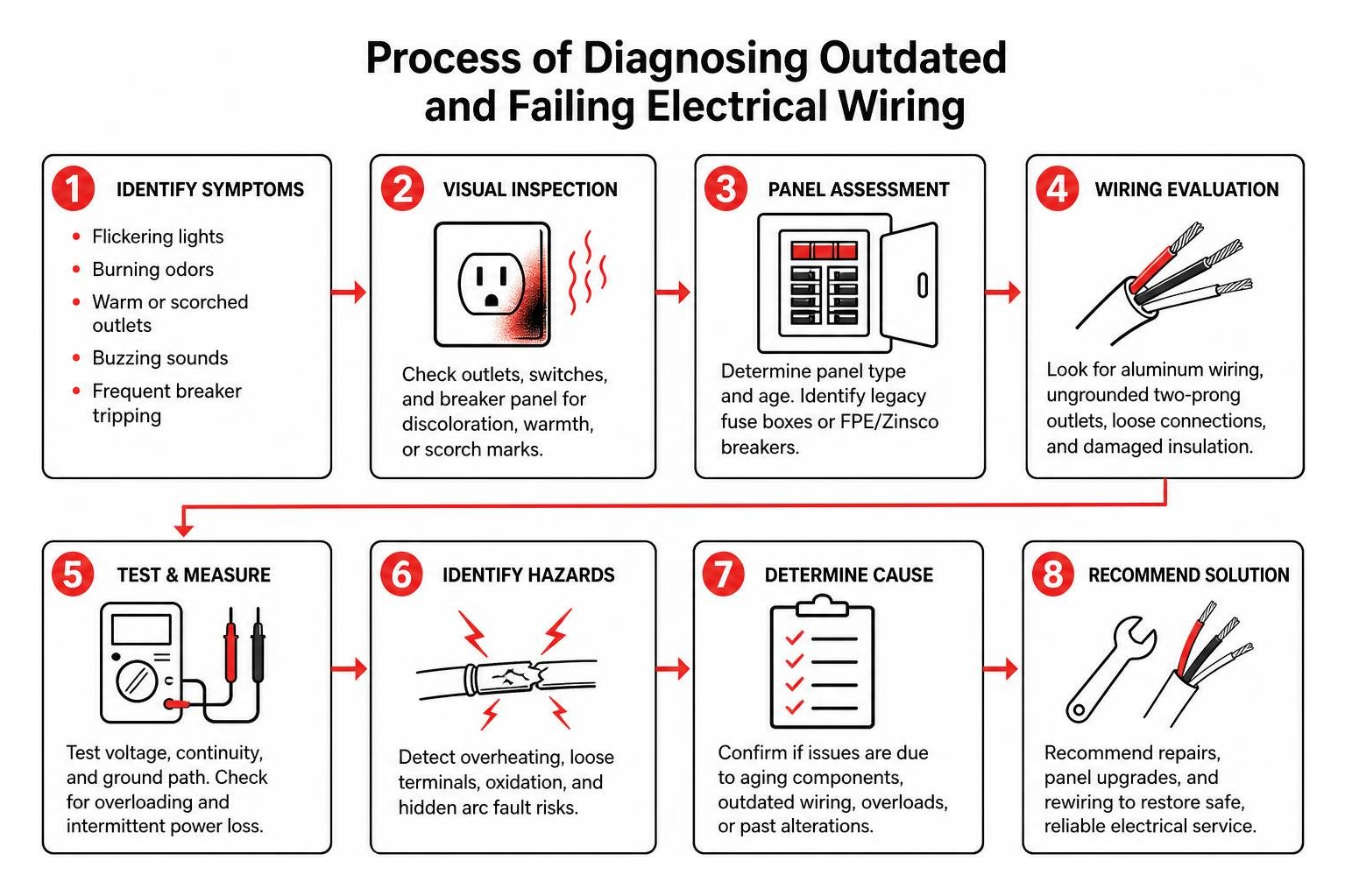
- Persistent Flickering or Dimming Lights: If your light fixtures dim when major appliances turn on, your system is likely struggling under heavy electrical demand or suffering from loose branch wiring. While a single light might indicate a dying bulb, widespread flickering often points to an overloaded circuit or a failing service connection.
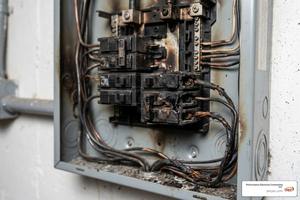
- Burning Plastic or Fishy Odors: A distinct, acrid burning smell that resembles melting plastic or rotten fish is an immediate red flag. This odor indicates that wire insulation is overheating and actively breaking down inside your walls or breaker panel.
- Discolored, Warm, or Scorched Outlets: Wall plates should never feel warm to the touch. Blackened, brown, or bubbling plastic on receptacle covers indicates localized electrical arcing, which generates intense heat and presents an extreme fire risk.
- Audible Buzzing, Humming, or Sizzling: Light switches and electrical outlets should operate in complete silence. Buzzing or sizzling sounds generally point to loose terminal screws, degraded contacts, or internal arcing within the device.
- Frequent Breaker Tripping: Circuit breakers are safety valves designed to shut off power when current exceeds safe limits. A breaker that trips repeatedly is either overloaded, protecting an active short circuit, or experiencing internal mechanical failure.
Beyond these everyday symptoms, outdated hardware poses inherent safety challenges. Homes built several decades ago may still contain legacy fuse boxes, which lack the safety margins required for modern power demands.
Even more concerning are legacy breaker panels manufactured by brands like Federal Pacific Electric (FPE) and Zinsco. These panels have documented histories of failing to trip during overcurrent events, allowing dangerous levels of power to flood home wiring and creating hidden fire hazards behind finished walls.
Warning Signs of Outdated Residential Wiring
Many residential properties constructed between the mid-1960s and mid-1970s feature aluminum branch-circuit wiring. Aluminum expands and contracts significantly more than copper as current flows through it. Over time, this thermal cycling loosens terminal connections, leading to severe oxidation, elevated electrical resistance, and potential fire hazards.
Other critical signs of aging residential wiring include:
- Ungrounded Two-Prong Outlets: Older two-slot receptacles lack the essential equipment grounding conductor required by modern safety standards. Without a ground path, sensitive electronics remain vulnerable to voltage spikes, and occupants face increased risks of electrical shock.
- Intermittent Power Loss: Rooms or circuit branches that experience spontaneous power outages often suffer from failing junction box splices or deteriorated neutral conductors.
- Hidden Arc Fault Hazards: Rodent damage, age-related insulation deterioration, and improper past DIY alterations can create internal wiring damage that cannot be seen from the room surface.
Comprehensive safety assessments allow qualified electricians to test branch circuits, check grounding electrode systems, and identify hidden issues before they escalate into safety emergencies.
Residential Solutions: Panel Upgrades and Whole-Home Rewiring
Modern households rely on a wide array of power-hungry appliances, from high-capacity HVAC units and heat pump water heaters to induction cooktops and home office server racks. Keeping these systems running reliably requires adequate infrastructure and dedicated circuit pathways.
When addressing older or overloaded systems, experienced technicians evaluate your overall service load and recommend solutions that restore safety and expand capacity:
- Breaker and Panel Replacements: Upgrading obsolete components restores reliable overcurrent protection and prevents unwanted nuisance trips.
- Surge Protection Systems: Florida experiences some of the highest lightning strike frequencies in the country. Whole-home surge protective devices (SPDs) installed directly at the main panel shield sensitive microprocessors in modern appliances, entertainment systems, and HVAC controls from destructive voltage spikes.
- Backup Generator Installations: Standby generator systems with automatic transfer switches deliver continuous power during severe weather and grid interruptions, keeping essential refrigeration, medical equipment, and climate systems online.
- Dedicated Appliance Circuits: Dedicated branch circuits prevent single heavy-load appliances—such as microwave ovens, air compressors, and sump pumps—from drawing power across shared residential lighting runs.
To better understand industry practices and service standards across our market, property owners can consult The Complete Guide to Top Electrical Companies in Jacksonville for detailed insights into regional service expectations.
Comprehensive Jacksonville Electrical Repair for Modern Living
Beyond panel maintenance and circuit work, contemporary residential electrical service covers modern convenience, safety, and energy efficiency upgrades:
- Electric Vehicle (EV) Charger Installation: Level 2 home charging units require dedicated 240-volt branch circuits with 40- to 60-amp breakers. Professional load calculations ensure your service equipment can handle EV charging without compromising other household systems.
- GFCI and AFCI Upgrades: Ground Fault Circuit Interrupters (GFCIs) protect against shock in wet areas like kitchens, bathrooms, garages, and outdoor patios. Arc-Fault Circuit Interrupters (AFCIs) detect hazardous electrical arcing inside walls, significantly reducing electrical fire risks.
- Modern Lighting and Controls: Installing LED fixtures, smart dimmers, automated timing controls, and modern ceiling fan wiring elevates comfort while reducing monthly utility costs.
- USB and Smart Receptacles: Integrated USB-A and USB-C wall receptacles streamline device charging without requiring bulky plug adapters.
Rewiring Costs, Timelines, and Code Compliance
When a property’s wiring is degraded beyond simple repairs, a whole-home rewire provides a clean, modern electrical foundation.
- Cost Ranges: In the Jacksonville area, complete rewiring for an average single-family home typically ranges from $8,000 to $20,000. Exact investment levels depend on square footage, building height, attic and crawlspace access, and interior wall construction (such as lath-and-plaster versus standard drywall).
- Project Timelines: Most comprehensive residential rewiring projects take between 3 and 7 business days to complete, depending on project complexity and the ease of running new cables through the home’s framing.
- Permits and Inspections: Electrical upgrades, panel replacements, and whole-house rewires require proper building permits issued through the City of Jacksonville and Duval County. Licensed contractors manage the permit process, coordinate with the utility provider, and schedule final safety inspections.
Homeowners and property managers can learn more about local regulatory guidelines by reviewing our guide on Navigating Electrical Code Compliance Inspection Rules and Permits.
Commercial and Infrastructure Electrical Demands in Duval County
Commercial, multifamily, and municipal infrastructure facilities have distinct electrical demands that go far beyond standard residential power systems. High-density residential complexes, commercial office buildings, retail centers, and industrial facilities depend on three-phase electrical systems, heavy-duty switchgear, and robust power distribution setups to handle continuous operational loads.
Preventive commercial electrical maintenance helps business owners avoid costly unscheduled downtime. Key commercial services include:
- Switchgear Maintenance and Thermal Imaging: Regular infrared thermographic scanning pinpoints hot spots, loose busbar connections, and failing breakers inside switchgear long before catastrophic equipment failure occurs.
- Voltage Balancing and Power Quality Analysis: Unbalanced three-phase loads can cause excessive heat in neutral conductors, motor winding failures, and premature equipment wear. Commercial power quality monitoring balances circuits and improves energy efficiency.
- Commercial Energy Management Systems: Automated building controls regulate lighting schedules, HVAC integration, and peak electrical demand to keep utility costs under control.
- Emergency and Life Safety Systems: Commercial properties require regularly tested emergency lighting, illuminated exit signs, dedicated fire alarm circuitry, and code-compliant generator transfer equipment.
Jacksonville Electrical Repair for Commercial Facilities
Commercial electrical needs vary significantly across industries:
- Multifamily Housing Complexes: Apartment and condominium communities require centralized submetering arrays, dedicated parking lot security lighting, breezeway illumination, and safe shared amenity wiring.
- Hospitality and Food Service: Hotels and restaurants rely on high-capacity commercial kitchen circuits, walk-in refrigeration feeds, and architectural exterior lighting to keep operations smooth and guests comfortable.
- Industrial Facilities and Warehouses: Manufacturing plants and distribution hubs need reliable motor control centers (MCCs), industrial machinery hookups, automated conveyor power feeds, and high-bay warehouse LED retrofits.
- Commercial Tenant Buildouts: New retail, medical, or office spaces frequently require complete electrical redesigns, dedicated workstation power poles, data cabling pathways, and specialized branch circuits.
For comprehensive information on complex industrial and municipal power systems, read The Complete Guide to Finding Reliable Infrastructure Electrical Contractors.
How to Evaluate and Choose a Licensed Local Electrician
Working with electricity carries inherent risks. Hiring unlicensed handymen or cut-rate contractors often leads to code violations, safety hazards, and voided property insurance policies. Knowing what standards to look for helps you choose a dependable professional:
- State Electrical Licensure: Always confirm that the contractor holds an active, unencumbered electrical license issued by the State of Florida.
- Comprehensive Insurance Coverage: Verify that the contractor maintains adequate general liability insurance and workers’ compensation coverage to protect your property and personnel throughout the project.
- Clear, Upfront Pricing: Reputable contractors provide transparent estimates detailing labor, materials, permitting fees, and anticipated completion timelines before any work begins.
- Warranty Protection: Reliable electrical contractors back their craftsmanship with clear warranties—such as standard 1-year labor and material guarantees—to give you long-term peace of mind.
- Emergency Dispatch Capabilities: Electrical emergencies do not follow regular business hours. Look for companies that maintain 24/7 emergency dispatch services to handle urgent outages and dangerous electrical faults.
- Customer Discounts: Inquire about applicable cost savings, such as discounts for military veterans and senior citizens.
Contractor Comparison Overview
| Service & Safety Standard | Licensed Electrical Contractor | Unlicensed Handyman / Non-Specialist |
|---|---|---|
| State Licensing & Compliance | Certified Master / Journeyman Electrician | Unlicensed for major electrical systems |
| Permits & Inspections | Obtains official Duval County building permits | Cannot pull required municipal electrical permits |
| Insurance & Liability | Comprehensive general liability & workers’ comp | Often carry limited or no liability coverage |
| Code Compliance | Adheres strictly to the National Electrical Code (NEC) | High risk of hidden code and safety violations |
| Project Warranty | Written warranties on labor and installation | Minimal or nonexistent warranty coverage |
| Safety Equipment & Diagnostics | Calibrated diagnostic tools and safety meters | Basic, non-specialized testing equipment |
Frequently Asked Questions About Jacksonville Electrical Services
When should a homeowner consider upgrading an electrical panel?
Homeowners should consider upgrading their electrical panel if their current system is rated for 100 amps or less and can no longer support modern lifestyle demands.
An upgrade is also warranted if you plan to install an EV charging station, a hot tub, or a new high-efficiency heat pump.
Additionally, if your property still relies on an obsolete fuse box or an uninsurable breaker panel (such as Federal Pacific or Zinsco models), replacing the main panel is essential for safety, modern code compliance, and continued insurance eligibility.
Do electrical service providers in Jacksonville offer 24/7 emergency services?
Yes, professional electrical service providers in Northeast Florida offer round-the-clock emergency services.
Emergency response teams handle urgent electrical issues, including sudden power losses, sparking outlets, buzzing panels, burning wire odors, and damage caused by severe coastal storms.
Rapid dispatch helps secure the site, isolate electrical hazards, and restore safe power quickly for residential, multifamily, and commercial properties.
How much does whole house rewiring typically cost in Jacksonville?
In the Jacksonville area, complete whole-home rewiring typically costs between $8,000 and $20,000.
The final project cost depends on the overall square footage of the building, the number of stories, the accessibility of crawlspaces and attics, the type of interior wall materials, and the required total circuit count.
Reputable electrical contractors provide detailed on-site assessments that outline all labor, wiring materials, municipal permit fees, and inspection coordination before work starts.
Conclusion
A safe, properly functioning electrical system is vital to modern residential comfort, commercial operations, and overall building safety. From addressing flickering lights and outdated fuse boxes to coordinating large-scale commercial panel replacements, taking care of electrical issues promptly protects your property from costly equipment failures and serious fire hazards.
Whenever you face complex electrical challenges, partnering with a licensed, insured, and experienced contractor ensures that all work complies with local building codes and modern safety standards.
At Performance Electrical Contracting Inc., we deliver reliable, partnership-driven commercial, multifamily, industrial, and residential electrical services across Northeast Florida. Whether you need urgent diagnostic repairs, comprehensive service upgrades, or turnkey project management, you can count on our pre-qualified team to deliver safe, on-time, and on-budget solutions.
Contact Performance Electrical Contracting Inc. today to explore our trusted electrical services and contractor solutions and schedule your professional safety assessment.