
Find Licensed Electricians in Jacksonville Florida With Confidence
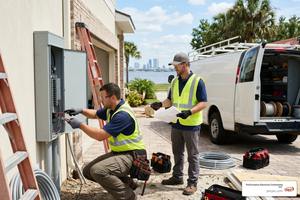
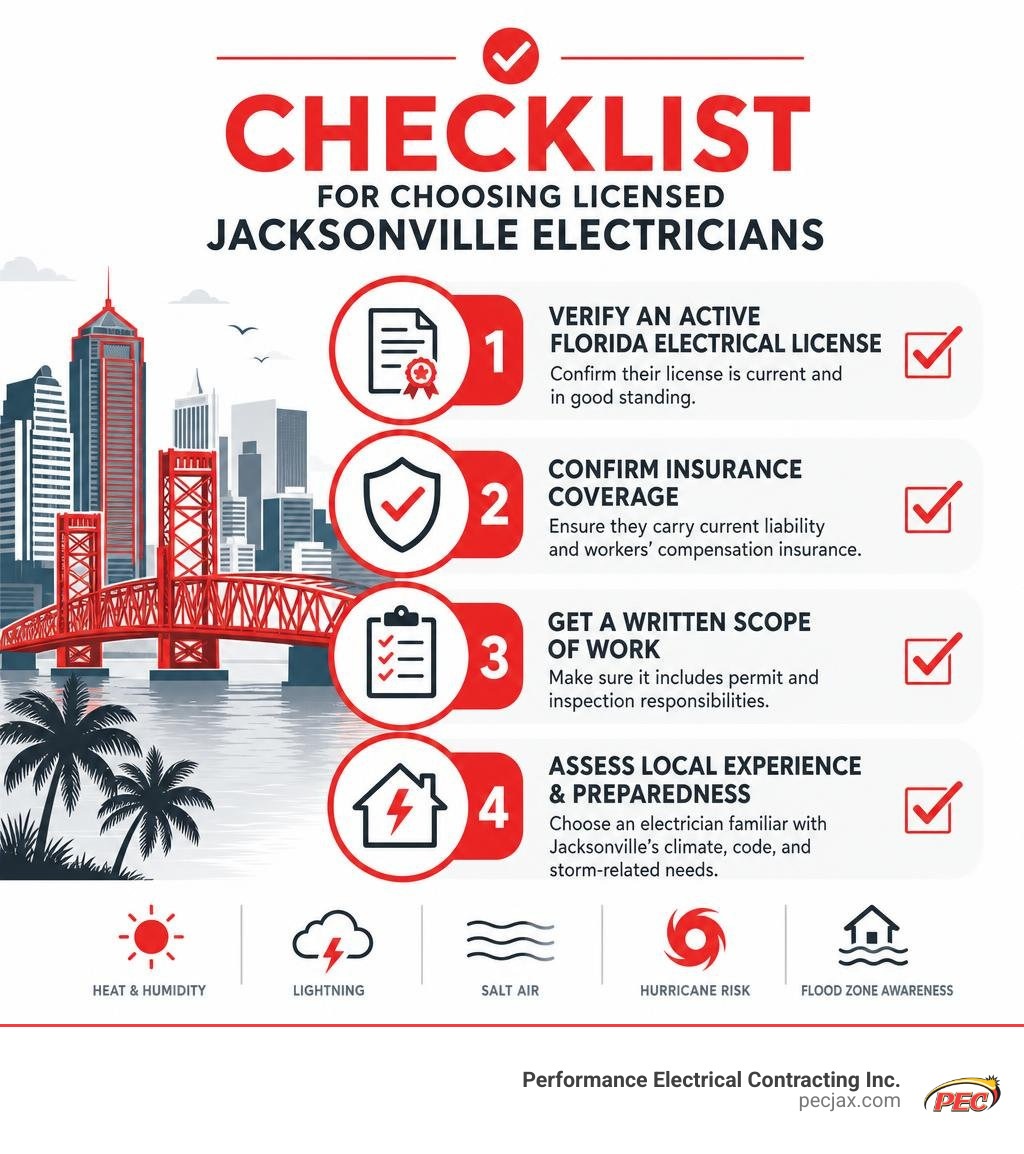
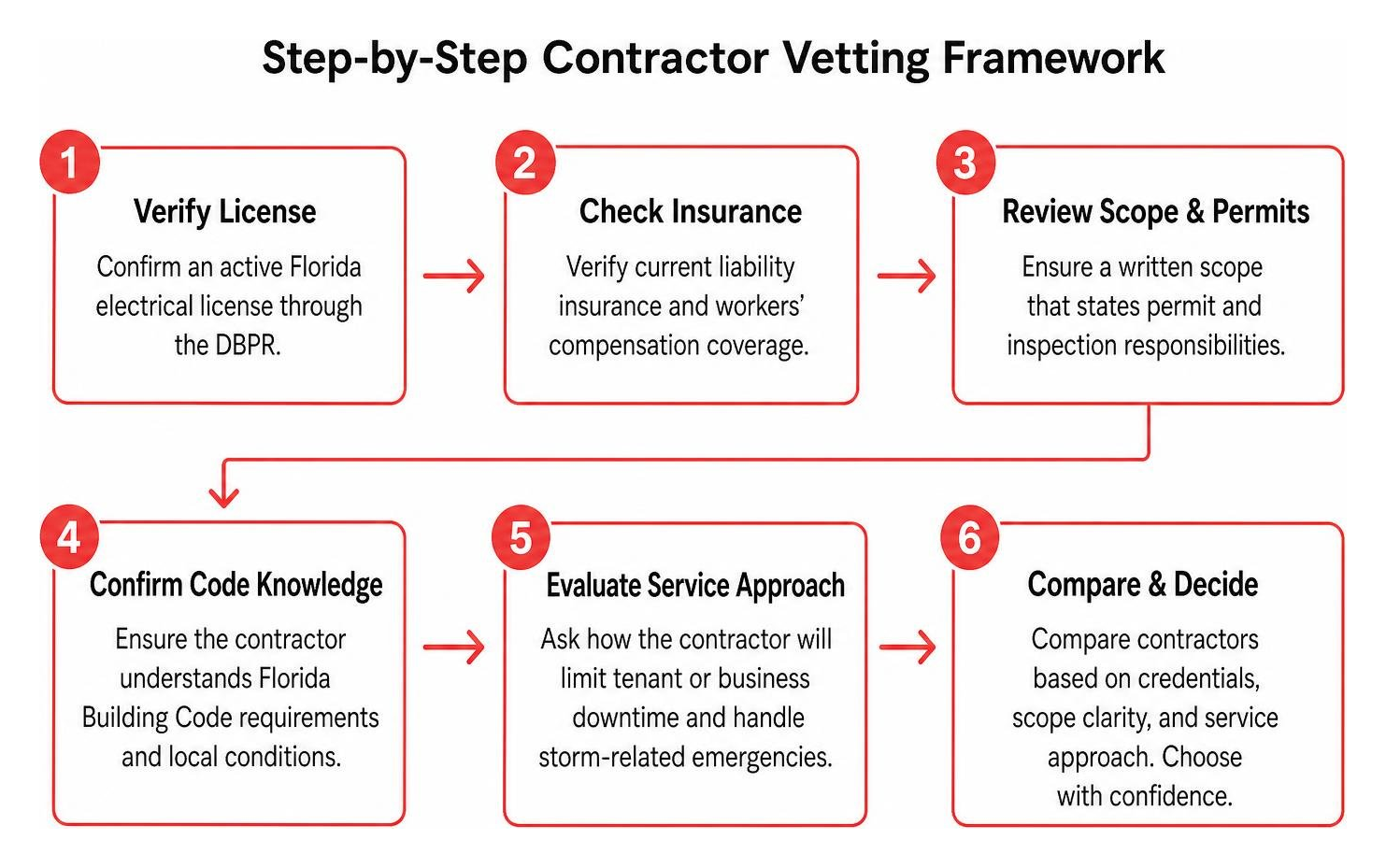
To find reliable electricians in Jacksonville Florida, verify three things before approving work: an active Florida electrical license, current liability and workers’ compensation insurance, and a written scope that states permit and inspection responsibilities. For property managers, also ask how the contractor will limit tenant or business downtime and handle storm-related emergency calls.
Jacksonville’s heat, humidity, lightning, salt air near the coast, and hurricane risk can wear down panels, outdoor equipment, wiring, and surge protection. A qualified local electrician should understand Florida Building Code requirements, flood-zone concerns, and the practical steps needed to keep a residential, multifamily, or commercial property safe.
This guide makes it easier to compare contractors, spot weak estimates, plan upgrades, and choose code-compliant electrical work that fits your budget and schedule.
Essential Criteria for Hiring Electricians in Jacksonville Florida
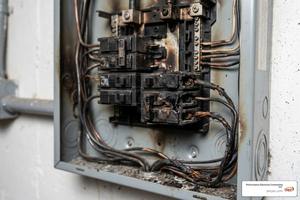
Hiring an electrical contractor should never feel like a roll of the dice. Electrical systems power our daily lives, protect our perishable goods, and run our climate control during sweltering Florida summers. When electrical work is performed incorrectly, it creates serious fire hazards and costly code violations.
Across Duval County and Northeast Florida, thousands of electrical projects are completed each year. According to regional consumer platforms, local electrical service professionals hold an average rating of 4.5 stars across hundreds of verified reviews. However, reaching that standard of quality requires knowing what credentials matter most before signing any contract.
When sorting through local options, start by reviewing the complete guide to top electrical companies in jacksonville to understand how established local contractors structure their teams and verify client satisfaction.
Licensing, Insurance Standards, and Florida Building Code Rules
In the state of Florida, electrical contractors are regulated under the Florida Department of Business and Professional Regulation (DBPR). You will primarily encounter two types of electrical licenses:
- Certified Electrical Contractor (EC): This statewide license allows the contractor to work anywhere in Florida. It requires passing rigorous state examinations, proving technical competency, and demonstrating extensive field experience.
- Registered Electrical Contractor (ER): This license allows a contractor to perform work within specific local jurisdictions or counties where they have passed a local competency exam.
Beyond state licensing, verify that the contractor carries comprehensive general liability insurance, commercial auto policies, and statutory workers’ compensation coverage. Reputable electrical teams also uphold strict OSHA workplace safety standards on every job site.
Permitting is non-negotiable. Whether you are rewiring an older home in Riverside or installing commercial distribution gear downtown, your contractor must pull required permits through the City of Jacksonville Building Inspection Division. Handling these regulatory steps is straightforward when navigating electrical code compliance inspection rules and permits with experienced professionals.
Transparent Pricing, Workmanship Warranties, and Flexible Financing
Clear communication around project cost is one of the clearest signs of a reliable contractor. An estimate should be detailed in writing, itemizing the scope of work, material specifications, permitting fees, and expected project timelines.
Watch out for these common estimate red flags:
- Vague, one-line proposals that bundle labor and materials without explanation.
- Pressure to pay large cash deposits upfront before any permits are pulled or materials delivered.
- Contractors who ask the property owner to pull the building permit directly.
- Estimates that seem significantly lower than standard market rates—this often indicates omitted permit fees, non-code-compliant materials, or lack of proper insurance coverage.
Dependable electrical contractors stand behind their craft by offering clear warranties covering both parts and labor for at least one full year. Many established providers also offer flexible project financing programs, helping property owners manage substantial capital improvements such as main service upgrades, standby power additions, or whole-structure rewires without putting undue strain on cash flow.
Coastal Climate Considerations: Protecting Your Electrical Infrastructure
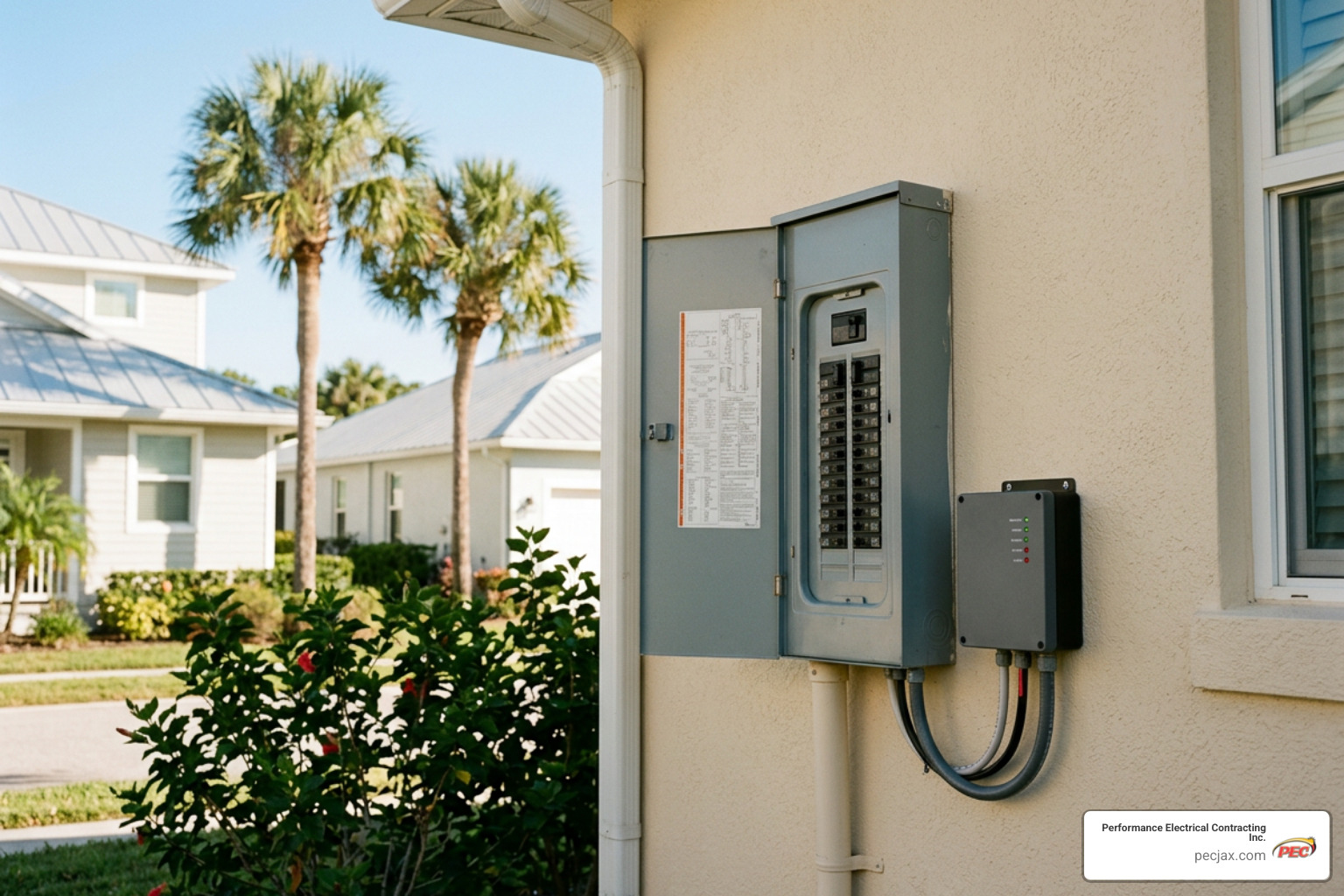
Jacksonville’s coastal environment presents unique demands that general electrical handbooks rarely address. High ambient humidity, frequent summer thunderstorms, intense lightning activity, and corrosive salt air near the Atlantic Ocean and the St. Johns River place continuous stress on outdoor equipment.
To maintain reliable power across residential, multifamily, and municipal facilities, properties need robust infrastructure planning. For large-scale projects, reviewing the complete guide to finding reliable infrastructure electrical contractors provides valuable context on building long-term durability into regional power systems.
Surge Protection, Marine-Grade Wiring, and Storm Resilience
Jacksonville experiences an average of 30 severe thunderstorm days every year. The accompanying lightning strikes cause dangerous voltage spikes that can instantly destroy sensitive smart-home electronics, HVAC control boards, refrigeration units, and commercial point-of-sale systems.
To safeguard your investments, local installations require a multi-layered defense:
- Whole-House Surge Protective Devices (SPDs): Installed directly at the main distribution panel, Type 1 or Type 2 SPDs divert excess voltage safely into the grounding system before it reaches interior circuits.
- Corrosion-Resistant Enclosures: Outdoor panels, meter bases, and disconnects along coastal zones should utilize NEMA 3R, 4, or 4X rated weather-resistant enclosures to prevent moisture intrusion.
- High-Temperature, Marine-Grade Wiring: The City of Jacksonville’s local building codes require outdoor circuits to be rated for at least 90°C to withstand high solar heat and humidity. Near salt water, marine-grade tinned copper conductors and sealed PVC-coated conduits resist oxidation far better than standard metals.
Flood-Zone Elevations and Generator Integration for Hurricane Season
During Atlantic hurricane season, localized storm surges and heavy rainfall can flood low-lying neighborhoods. Standard electrical equipment installed below the base flood elevation (BFE) faces total destruction if submerged, creating dangerous short circuits.
Working in designated FEMA flood zones requires elevating main service panels, transfer switches, and outdoor HVAC disconnects above projected flood stages.
For continuous storm readiness, standby generators equipped with an Automatic Transfer Switch (ATS) provide seamless transition during utility blackouts. The moment grid power fails, the ATS isolates the home from the utility line, turns on the generator, and restores power to critical lighting, medical equipment, and refrigeration within seconds. For smaller residential budgets, a manual generator interlock kit offers a safe, code-compliant alternative for portable generator hookups.
Top Residential and Commercial Electrical Upgrades in Northeast Florida
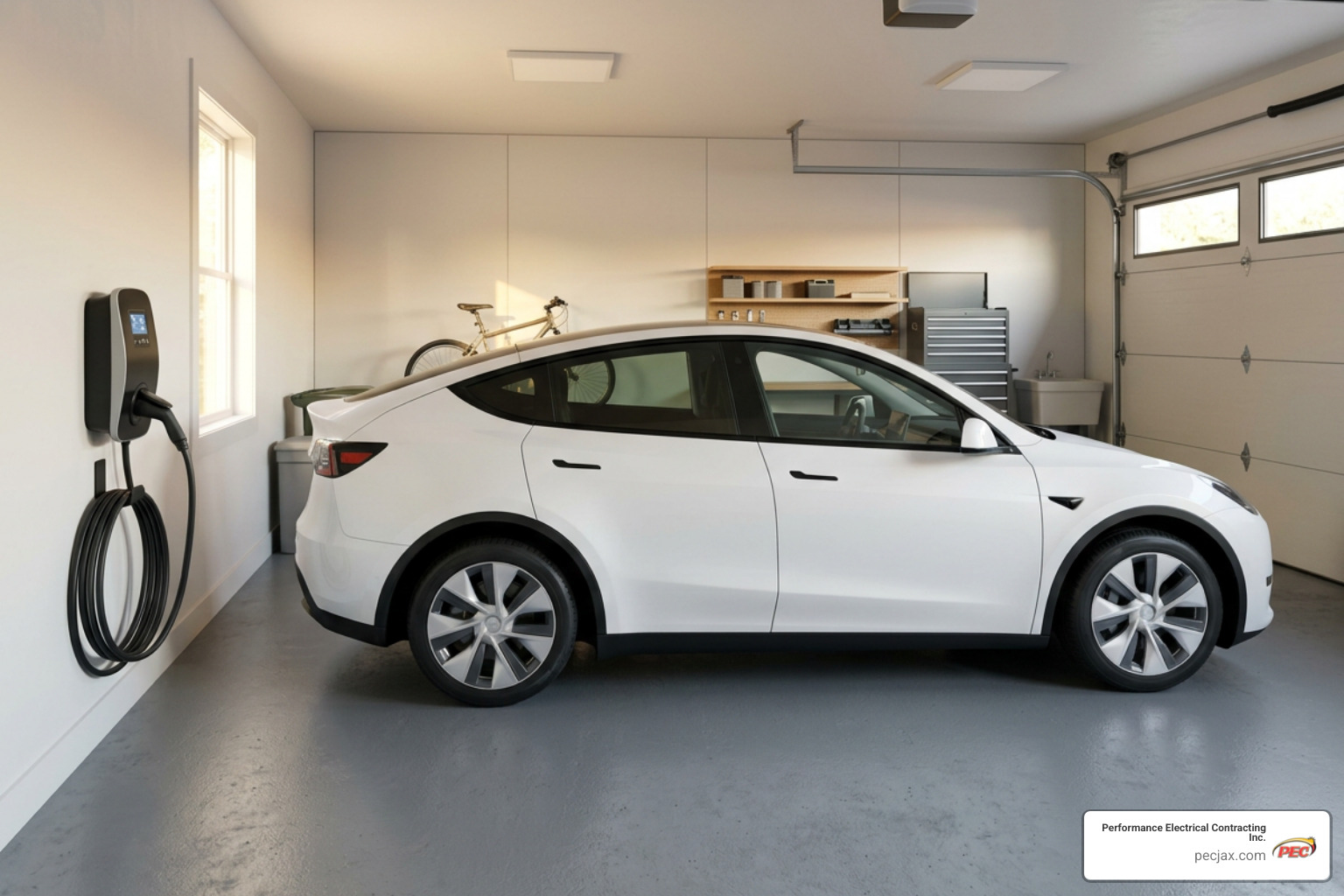
Whether you are modernizing a vintage home, outfitting a retail store, or upgrading an industrial facility, electrical demands in Jacksonville are increasing. Electric vehicle adoption, smart appliances, and modernized HVAC units require substantial power capacity.
Understanding commercial standards helps ensure high-demand installations meet professional safety benchmarks. For commercial spaces, the industry standards that power commercial electrical installation outline the specific code baselines that commercial facilities must maintain.
| Electrical Upgrade Project | Permitting Required? | Typical Timeline | Primary Benefits | Average 2026 Jacksonville Cost Range |
|---|---|---|---|---|
| 200-Amp Main Panel Upgrade | Yes | 1 – 2 Days | Resolves overloaded circuits; supports modern heavy appliances and EV chargers | $1,800 – $3,600 |
| Level 2 EV Charger Installation | Yes | 4 – 8 Hours | Up to 8x faster vehicle charging; dedicated 240V circuit protection | $750 – $1,900 (excl. unit) |
| Whole-Home Surge Protection | Optional / Varies | 2 – 3 Hours | Guards appliances and electronics against lightning strikes and grid spikes | $400 – $900 |
| Standby Generator & Transfer Switch | Yes | 2 – 4 Days | Automatic backup power during extended hurricane utility outages | $7,000 – $14,000+ |
| Standard Outlet / Switch Replacement | No (for minor repairs) | 1 – 3 Hours | Eliminates loose contacts, buzzing, arcing, and cosmetic wear | $150 – $350 (multi-device) |
| Whole-Home Rewiring | Yes | 4 – 8 Days | Eliminates obsolete knob-and-tube or ungrounded wiring; ensures safety | $8,000 – $18,000+ |
High-Demand Services Handled by Electricians in Jacksonville Florida
As older properties change hands and businesses expand, several core electrical services remain in high demand throughout Northeast Florida:
- Service Panel Upgrades (100A to 200A/400A): Many mid-century homes in Jacksonville were built with 60-amp or 100-amp service panels that cannot safely power modern heat pumps, induction ranges, and EV charging stations. Evaluating property load limits and understanding the importance of electrical capacity planning for growing homes and businesses prevents frequent breaker tripping and ensures long-term expansion capacity.
- Safety Device Retrofits (AFCI & GFCI): Arc-Fault Circuit Interrupters (AFCI) detect hazardous sparking inside walls before fires start, while Ground-Fault Circuit Interrupters (GFCI) protect against fatal electrical shocks in wet areas like kitchens, bathrooms, garages, and outdoor spaces.
- Aluminum Wiring Remediation: Homes built in the late 1960s and 1970s often contain branch aluminum wiring. Over time, aluminum oxidizes and expands, loosening connections and creating high-resistance fire hazards. Certified electricians remediate these circuits using code-approved copper pigtail connectors (such as COPALUM or AlumiConn).
Energy-Efficient LED Conversions, EV Chargers, and Smart Home Automation
Modern electrical work focuses heavily on efficiency, convenience, and sustainability. Upgrading legacy fluorescent or incandescent fixtures to commercial LED systems cuts lighting power consumption by up to 75% while dramatically lowering ambient heat output.
Residential and commercial property owners are also installing Level 2 dedicated electric vehicle supply equipment (EVSE). Installing a 40-amp to 50-amp dedicated 240V circuit ensures vehicles charge overnight efficiently. Pairing these installations with smart load centers lets property owners track energy usage in real-time, schedule high-draw appliances during off-peak utility hours, and prioritize critical circuits during power interruptions.
To keep these complex automated systems operating at peak performance, facilities managers often explore how to choose the right electrical maintenance technical program to establish structured inspection and upkeep schedules.
Frequently Asked Questions About Electrical Services in Northeast Florida
What are the average costs for common residential electrical repairs in 2026?
Residential service calls in Jacksonville typically carry a base diagnostic fee ranging between $75 and $150, which covers travel and initial system troubleshooting. Standard repairs, such as replacing faulty GFCI receptacles, repairing light switches, or fixing minor circuit faults, generally range between $150 and $400 depending on material requirements and accessibility.
Larger modernization projects, including 200-amp panel replacements, EV charger dedicated circuit runs, and whole-home surge installations, reflect the pricing detailed in our project comparison table above. Permit fees through the City of Jacksonville typically add between $75 and $200 depending on project valuation.
How do emergency electricians in Jacksonville Florida manage severe weather response?
During severe weather events and tropical storms, local emergency electrical teams organize rapid-response protocols. Priorities are triaged based on safety hazards:
- Securing arcing wires and isolating fire risks.
- Repairing storm-damaged weatherheads and detached service masts to allow JEA or local utilities to safely reconnect power lines.
- Assessing flooded electrical panels and water-damaged branch circuits before restoring energization.
- Deploying and connecting emergency standby power for medical devices, critical municipal systems, and essential refrigeration.
Top providers maintain stocked service vehicles, allowing technicians to resolve structural service connection repairs quickly once weather conditions allow for safe outdoor work.
Do electrical installations in historic Jacksonville neighborhoods require special permits?
Yes. Historic districts such as Riverside, Avondale, Springfield, and San Marco are subject to specific historic preservation architectural guidelines.
While routine interior repairs follow standard Florida Building Code requirements, any work that alters the exterior appearance of a historic structure—such as relocating an electric meter base, running exposed exterior conduit along brick facades, or mounting new architectural lighting—may require review from the Jacksonville Historic Preservation Commission in addition to standard electrical permits. An experienced local contractor will plan wire routing internally to preserve the historical integrity of the property while upgrading all systems to modern safety standards.
Conclusion
Keeping your electrical systems safe, code-compliant, and energy-efficient requires partnering with experienced professionals who understand the specific demands of Northeast Florida’s coastal climate. From installing robust surge protection against seasonal lightning to upgrading main distribution panels for modern vehicle chargers, high-quality electrical work protects your property, enhances its value, and ensures uninterrupted safety.
When you need dependable residential, multifamily, commercial, or infrastructure electrical solutions, we are here to help. Contact the team at Performance Electrical Contracting Inc. today to discuss your next project, request a detailed estimate, or schedule a comprehensive electrical safety inspection for your property.