
What Does Main Panel Replacement Cost in 2026?
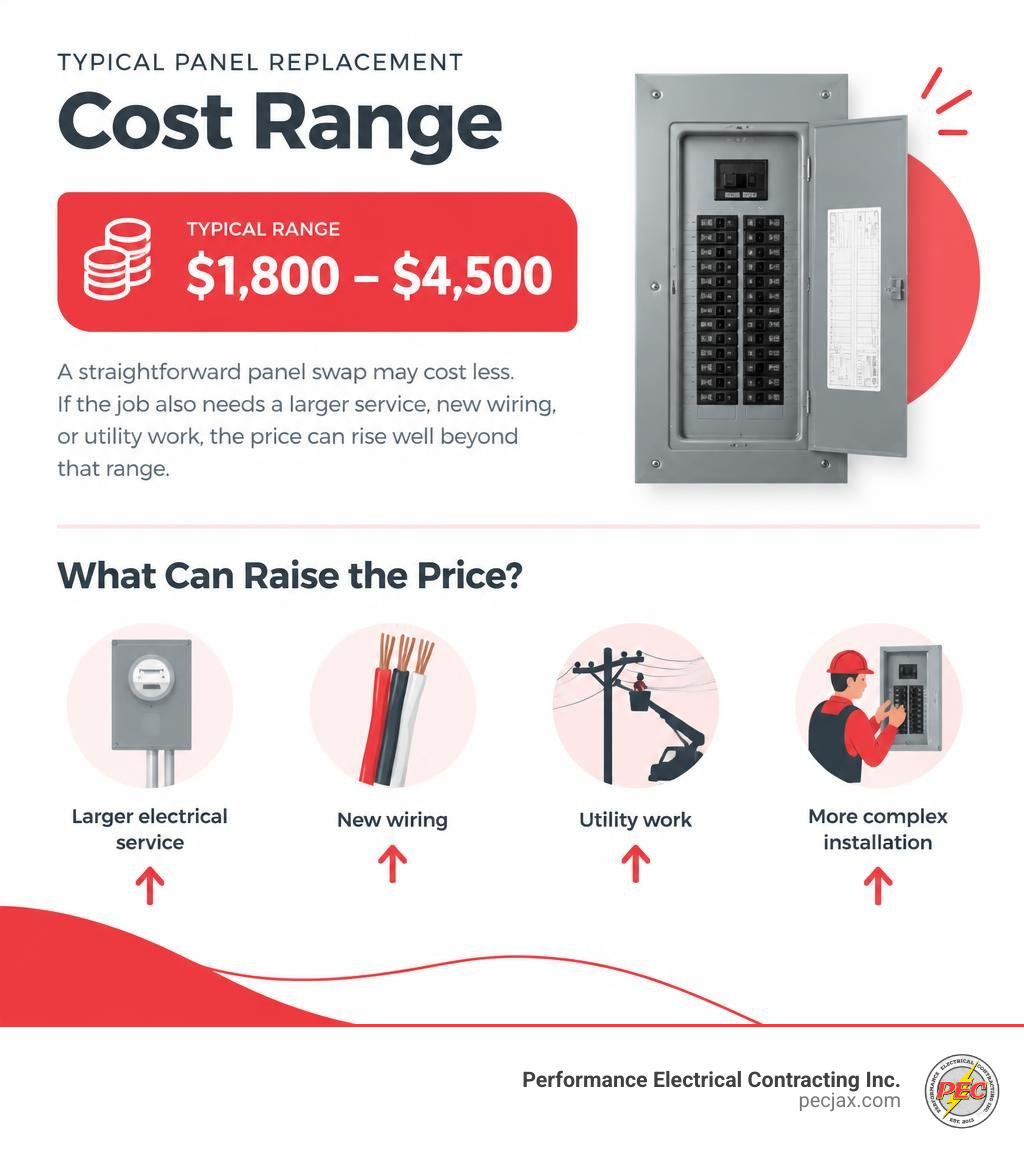
Budget about $1,800 to $4,500 for a typical professional main panel replacement in 2026. A straightforward panel swap may cost less. If the job also needs a larger electrical service, new wiring, or utility work, the price can rise well beyond that range. According to the U.S. Department of Energy, homes with electric vehicles and heat pumps can draw two to three times more power than a typical 1980s-era household, which is why many older panels need capacity upgrades rather than simple swaps.
To get a useful quote, ask a licensed electrician to check your current service size, calculate the building’s electrical load, and spell out what the price includes. For a property you manage, also ask how long power will be off and whether the work can be scheduled to limit disruption.
Understanding Main Panel Replacement Costs by Amperage and Scope
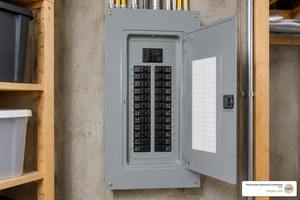
When planning a budget for your home’s electrical infrastructure, understanding the scope of work is critical. An electrical panel acts as the central nervous system of your entire property. It takes high-voltage power from your local utility and distributes it safely across dedicated branch circuits to feed your lighting, appliances, entertainment systems, and HVAC units.
National pricing averages across the industry show standard panel replacements hovering around $1,313 to $1,342 for basic like-for-like swaps, but real-world projects frequently require capacity increases, new safety hardware, and municipal inspections. Total turn-key installations for modern homes commonly land between $1,800 and $4,500. If your home requires a massive capacity expansion—known in the trade as a heavy-up—paired with utility transformer upgrades, expenses can reach between $5,000 and $14,000 or more.
Cost Breakdown for a Standard Main Panel Replacement
The primary driver of equipment and labor expenses is the total amperage rating your home requires. Amperage measures the volume of electrical current your system can draw simultaneously without overloading the incoming service lines.
| Service Size | Typical Hardware & Labor Cost | Ideal Home Size / Power Profile | Key Characteristics |
|---|---|---|---|
| 100-Amp Panel | $850 – $1,500 | Under 1,500 sq. ft. | Gas-heated homes, baseline appliance loads, smaller footprint |
| 200-Amp Panel | $1,300 – $3,200 | 1,500 – 3,500 sq. ft. | Modern electrical standard, heat pumps, single EV charger, induction ranges |
| 400-Amp Heavy-Up | $2,000 – $5,000+ | 3,500+ sq. ft. | Dual EV chargers, luxury kitchens, workshops, electric pool heaters, all-electric estates |
For comprehensive installations, our team at Performance Electrical Contracting Inc. provides residential electrical services tailored to meet your household’s exact load profiles, ensuring your investment is sized accurately for both today’s appliances and tomorrow’s technology.
Repair vs. Upgrade vs. Replacement
Homeowners often ask us whether they can simply repair a malfunctioning breaker box rather than paying for a complete panel teardown. The right choice depends on the underlying issue:
- Panel Repair ($200 – $600): If your panel enclosure is under 20 years old, shows no signs of corrosion or overheating, and simply has a failed single-pole breaker or a loose connection, targeted maintenance is the most sensible route. You can count on our technicians for reliable electrical repairs when the core service infrastructure remains healthy.
- Direct Replacement ($1,300 – $2,500): If your current bus bars are pitted, corroded, or damaged, but your home’s existing 150-amp or 200-amp utility service conductors are adequate, a direct panel swap replaces the interior chassis and enclosure without altering incoming service lines.
- Service Upgrade / Heavy-Up ($2,500 – $4,500+): If your current system is maxed out at 60 or 100 amps and you want to install an electric vehicle charger, modern HVAC system, or tankless water heater, you need a full capacity upgrade. This requires a new meter base, thicker service entrance conductors, upgraded grounding, and direct utility coordination.
Major Factors That Drive Up Installation Expenses

Labor accounts for a substantial portion of any panel job. Master electricians and journeymen typically bill between $50 and $150 per hour. A standard panel swap requires 4 to 8 hours of focused work, while complex replacements requiring extensive wire tracing, junction box additions, or service mast relocations can take 20 or more labor hours.
Labor, Permitting, and Utility Coordination
A panel project is never just a quick hardware swap. Because working inside a live service enclosure involves critical safety considerations, municipalities strictly regulate installations through permitting and mandatory inspections.
Permit fees usually run between $100 and $300 depending on your local jurisdiction. Beyond building permits, replacing the main service equipment requires coordination with your local electric utility to temporarily pull the outdoor electric meter and drop service from the overhead drop or underground lateral. Once our crew mounts the new equipment, the municipal Authority Having Jurisdiction (AHJ) must inspect the installation before the utility will safely re-energize the meter. Following all proper protocols for navigating electrical code compliance and permits ensures your homeowner’s insurance policy remains valid and prevents costly re-inspection delays.
Unforeseen Add-On Costs: Rewiring, Drywall, and Service Mast Work
Older properties frequently present hidden structural and electrical hurdles that add to the bottom line:
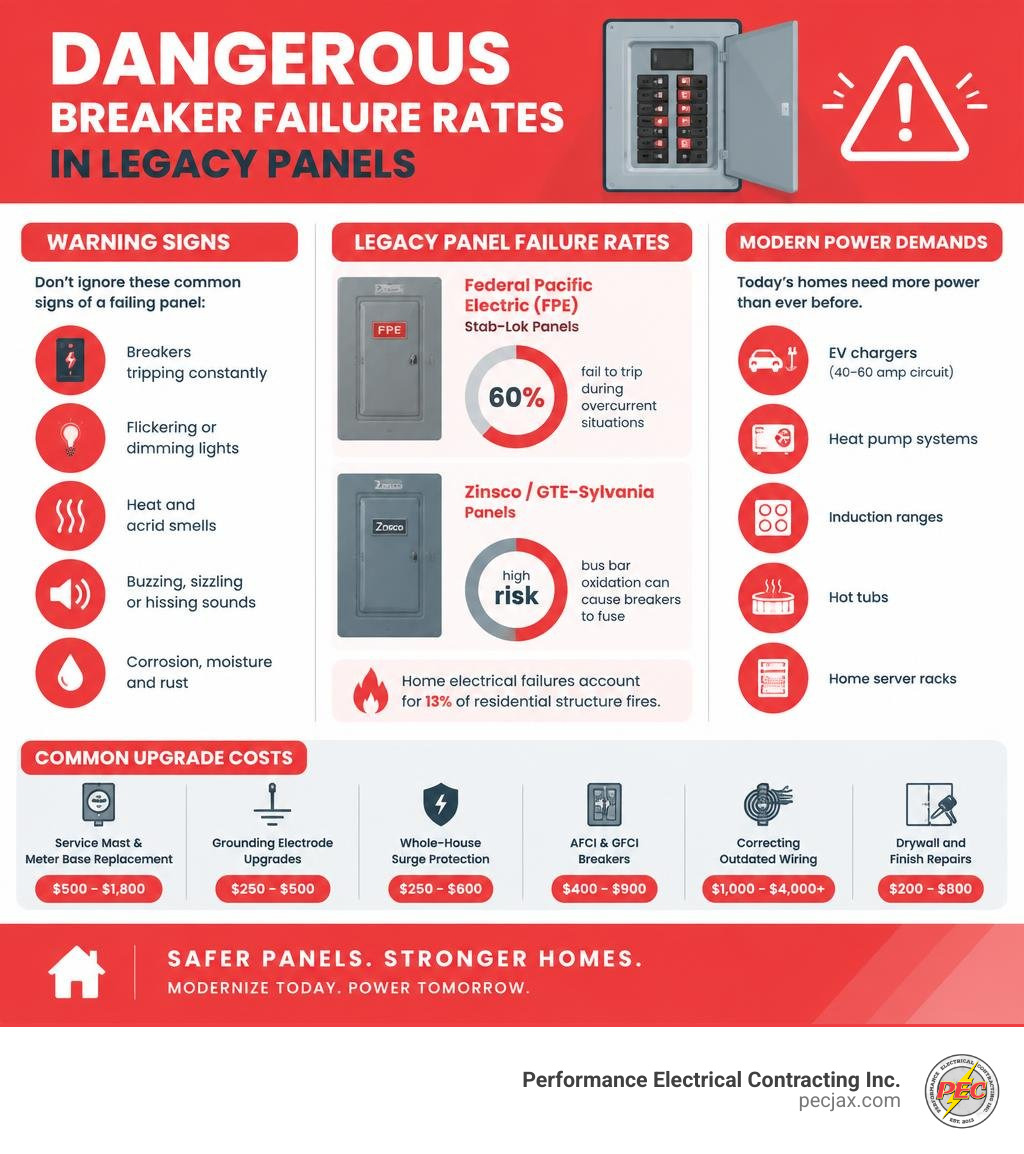
- Service Mast and Meter Base Replacement ($500 – $1,800): If your overhead weatherhead is rusted or the utility meter socket is deteriorated, code requires updating these components alongside the interior panel.
- Grounding Electrode Upgrades ($250 – $500): Modern National Electrical Code (NEC) mandates driving two dedicated copper-clad grounding rods spaced at least six feet apart into the earth, alongside supplementary bonding to interior metal water piping.
- Whole-House Surge Protection ($250 – $600): Recent NEC standards mandate integrated Type 1 or Type 2 Whole-House Surge Protective Devices (SPDs) on all new residential service panels to safeguard electronics from grid spikes.
- AFCI and GFCI Breakers ($400 – $900): Arc-Fault Circuit-Interrupter (AFCI) and Ground-Fault Circuit-Interrupter (GFCI) dual-function breakers are now mandated across living areas, kitchens, and bathrooms. These specialized breakers cost $40 to $70 each, compared to $5 to $10 for standard legacy thermal-magnetic units.
- Correcting Outdated Wiring ($1,000 – $4,000+): If our electricians uncover legacy knob-and-tube or ungrounded aluminum branch circuits, specialized connectors or partial rewiring are required to avoid common electrical code violations.
- Drywall and Finish Repairs ($200 – $800): If an older recessed panel must be enlarged or relocated to meet modern NEC working clearance rules (requiring a clear footprint 30 inches wide, 36 inches deep, and 6.5 feet high), minor drywall cutting and patching are necessary.
Warning Signs That Your Electrical Panel Needs Immediate Attention
Electrical panels do not last forever. Most models have an operational lifespan of 25 to 40 years. If your panel is showing signs of physical wear or internal distress, scheduling an electrical safety inspection helps catch issues before they turn into major safety risks.
Watch out for these telltale signs of panel failure:
- Breakers Tripping Constantly: Breakers are designed to cut power when circuits become overloaded. If resetting breakers has become part of your daily routine, your panel is struggling under the load.
- Flickering or Dimming Lights: If your lights dim whenever your refrigerator, microwave, or central air compressor kicks on, your bus bars may be experiencing voltage drops.
- Physical Heat and Acrid Smells: A warm panel cover or the smell of fish, burning plastic, or ozone indicates internal arcing and melting wire insulation.
- Buzzing, Sizzling, or Hissing Sounds: Audible noise coming from your breaker box points to loose mechanical connections or failing breaker contacts.
- Corrosion, Moisture, and Rust: Water entering through an unsealed outdoor service mast causes terminal oxidation, dramatically increasing electrical resistance and fire danger.
Defective Equipment: The Dangers of Federal Pacific and Zinsco Panels
If your home was built between 1950 and 1990, inspect the manufacturer nameplate on your panel door. Two legacy brands present severe fire hazards:
- Federal Pacific Electric (FPE) Stab-Lok Panels: Independent forensic testing has demonstrated that FPE Stab-Lok circuit breakers fail to trip during overcurrent situations in up to 60% of cases. When a breaker refuses to trip during a short circuit, the branch wiring overheats, creating an imminent fire risk.
- Zinsco / GTE-Sylvania Panels: Zinsco panels feature an aluminum bus bar design prone to oxidation. Over time, the breakers can fuse directly to the bus bar, preventing the switch from ever cutting off power during an electrical fault.
According to data compiled by the National Fire Protection Association (NFPA), home electrical failures or malfunctions contribute to approximately 13% of all residential structure fires. Insurance underwriters frequently refuse coverage or significantly inflate premiums for properties containing active FPE or Zinsco panels.
Modern Power Demands and Circuit Overloads
The way we use electricity has shifted dramatically. Homes built in the 1970s and 1980s were typically wired with 60-amp to 100-amp panels—plenty of power for incandescent lights, a refrigerator, and a television.
Today, modern lifestyles rely heavily on continuous power. Adding a Level 2 Electric Vehicle Supply Equipment (EVSE) charger alone requires a dedicated 40-amp to 60-amp circuit. Heat pump conversions, induction ranges, hot tubs, and home server racks quickly exceed the operating capacity of older boxes. Without proper electrical capacity planning, running multiple heavy-draw appliances simultaneously will quickly overload your service conductors. According to the U.S. Department of Energy, homes with electric vehicles and heat pumps can draw two to three times more power than a typical 1980s-era household, making a modern panel assessment essential before adding major appliances.
The Professional Installation and Permitting Process
Replacing your primary electrical distribution center is a complex, highly regulated project. Here is how a professional replacement unfolds from initial consultation to final inspection:

Why DIY Main Panel Replacement Poses Severe Safety Risks
We strongly advocate for hands-on homeowners taking on weekend projects like changing decorative light fixtures or replacing outlet faceplates. However, a primary breaker panel replacement should never be attempted as a DIY project.
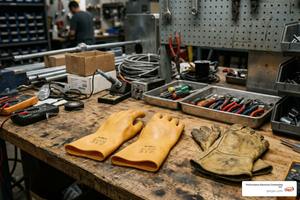
The conductors feeding your panel from the utility transformer remain continuously energized with lethal voltage, even when the main breaker is switched off. Accidental contact or an improperly torqued lug can trigger a violent arc flash. Arc flashes can produce instantaneous blast temperatures of up to 35,000°F—hotter than the surface of the sun. Beyond the severe threat of electrocution and arc blast injuries, DIY panel work performed without municipal permits and licensed oversight directly violates local building codes and can void your homeowner’s insurance policy in the event of an electrical fire.
Step-by-Step Replacement Timeline and What to Expect
When our licensed team arrives at your home, the installation follows a disciplined, safety-tested sequence:
- Site Assessment and Load Calculation: We review existing branch circuits, balance anticipated loads across both 120-volt phases according to NEC Article 220, and pull required municipal permits.
- Utility Disconnect: On the morning of installation, the power company arrives to remove the electric meter, fully isolating your home’s electrical service.
- Deconstruction and Circuit Tagging: We systematically tag every hot, neutral, and ground conductor before disconnecting them from the old panel chassis and pulling the obsolete box from the wall.
- Hardware Mounting and Grounding Upgrades: We secure the new NEMA-rated enclosure, install modern ground rods, verify water service bonding, and terminate the heavy service entrance conductors.
- Breaker Installation and Landing: We install brand-new, manufacturer-matched AFCI, GFCI, and standard thermal-magnetic breakers, landing each circuit neatly while respecting proper bend radiuses.
- AHJ Municipal Inspection: The city or county electrical inspector arrives to examine wire sizing, terminal torque stamps, breaker compatibility, and grounding resistance.
- Utility Re-energization and Circuit Directorying: The utility re-installs the meter base. We power up the panel, complete a comprehensive voltage check across all circuits, and provide a cleanly labeled circuit directory for your family.
Maximizing Value: Rebates, Insurance Savings, and Home Resale
While updating your panel requires an upfront investment, it provides immediate financial and practical returns. Real estate home inspectors scrutinize electrical panels during home sales. Eliminating obsolete hardware or double-tapped breakers removes potential roadblocks during buyer inspections and helps preserve your asking price.
Additionally, modernizing outdated panels can help lower your annual homeowner insurance premiums by reducing structural fire risks. Pairing your panel project with other electrical upgrades to lower energy costs can further trim your monthly utility bills.
Energy Tax Credits and Utility Incentive Programs
Federal legislation and local utility initiatives provide generous financial incentives for homeowners who upgrade their electrical panels to support clean energy:
- Energy Efficient Home Improvement Credit (Section 25C): Homeowners can claim a federal tax credit covering 30% of the cost (up to $600) for an electrical panel upgrade installed in conjunction with qualified heat pumps, heat pump water heaters, or other energy-efficient systems.
- Utility Electrification Rebates: Many local power utilities offer dedicated incentives for panel upgrades when paired with Level 2 EV charger installations or rooftop solar installations. For instance, programs like California’s SCE Charge Ready Home program have provided qualified customers with savings of $7,000 or more on full panel and service modernizations.
Frequently Asked Questions About Main Panel Upgrades
How long does a panel replacement take, and will my power be turned off?
A standard residential panel upgrade takes between 4 and 8 hours of hands-on installation time. Your power will be turned off for most of the workday while our electricians mount the hardware and land the branch circuits. We work closely with municipal inspectors and utility service crews to ensure power is safely restored by late afternoon.
Can I electrify my home without a full panel upgrade?
In many cases, yes. If your home has an existing 100-amp to 150-amp panel in solid physical condition, you may be able to add an EV charger or heat pump without a costly heavy-up. This is done by choosing energy-efficient variable-capacity appliances, installing smart circuit-sharing splitters (such as an automatic switch that shares a dryer circuit with an EV charger), or integrating a smart energy management subpanel that sheds non-critical loads during peak usage.
How do I determine if I need a 200-amp or 400-amp panel?
For most single-family homes under 3,500 square feet running central air, an electric range, and an EV charger, a 200-amp panel is the industry standard and provides ample headroom. If your home exceeds 3,500 square feet, relies on all-electric auxiliary heat strips, features dual EV chargers, or includes high-draw amenities like an electric heated pool or large workshop machinery, a 400-amp service heavy-up is generally recommended.
Conclusion
Your electrical panel is the foundation of your home’s safety, efficiency, and day-to-day comfort. Investing in an upgraded service protects your property from dangerous electrical failures, supports modern appliances, and positions your home for future electrification.
At Performance Electrical Contracting Inc., our licensed master electricians deliver transparent pricing, top-tier craftsmanship, and dependable service throughout Jacksonville, FL, and across the Southeast. Whether you need a simple breaker box replacement or a comprehensive capacity upgrade, we ensure your project is completed safely, on schedule, and in full compliance with current electrical codes. Explore our complete range of full-service electrical solutions today, and contact our team to schedule your on-site electrical assessment.